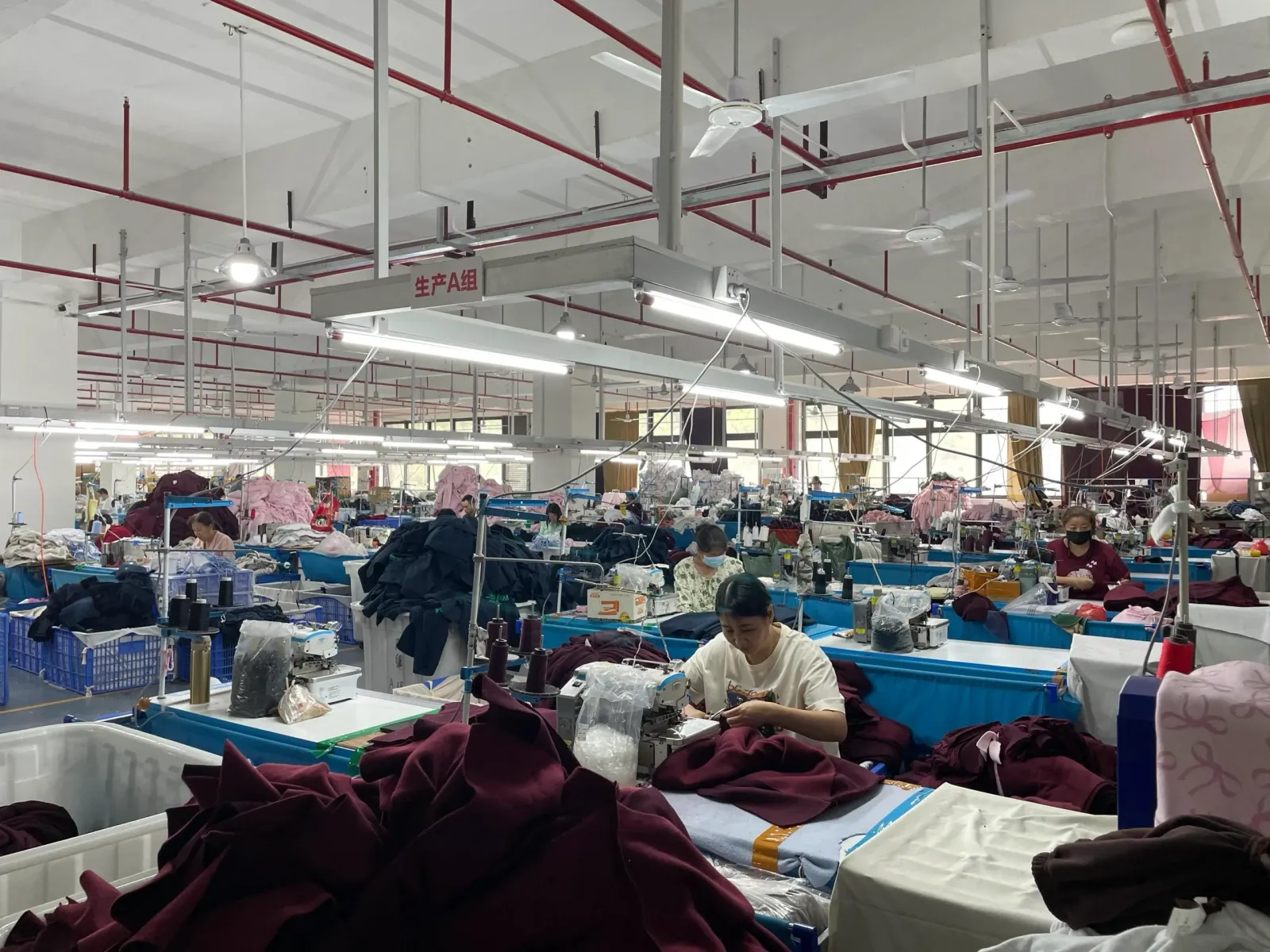


Custom clothing manufacturing cost is one of the most frequently asked questions from new apparel brands preparing to launch their product lines. Many startup designers and private label owners assume there is a fixed unit price for custom garments, only to find that custom clothing manufacturing cost varies greatly depending on style, fabric, trims and factory capabilities. There is no one-size-fits-all price tag, and brands need to break down all related variables to build a practical budget and avoid unexpected extra charges.
The biggest part of the cost to manufacture clothing for a brand usually comes from raw fabric. Natural fabrics such as organic cotton, Tencel, linen and hemp denim generally cost more than regular polyester blends. Additional requirements like GOTS certification, OEKOTEX certification, PFAS-free finishing or imported Japanese yarns will further push fabric expenses up. Fabric width, GSM weight, MOQ for textile runs, custom dyeing and custom printing also change the final price. Small-batch orders cannot enjoy volume discounts available to large brands, which explains the higher unit fabric cost for emerging labels.
Next, let’s look at a clear custom apparel production cost breakdown. Basic styles like simple tees with minimal seams carry low labor fees. Complex designs, including double-pleated trousers, lined skirts, garments with hammer loops, zippers, elastic waistbands, embroidery and woven labels, require longer sewing time and skilled workers, which increases labor costs. Extra value-added services appear as separate line items: pattern making, grading, marker making, cutting, sewing, washing, finishing, tagging, polybag packing and carton packaging. Many new brands overlook sampling fees, pre-production sample charges and lab testing fees for color fastness, stretch performance and chemical compliance.
There are many factors affecting clothing manufacturing prices that buyers often underestimate. Order volume is the most influential factor. Higher MOQs reduce per-unit cost because fixed setup costs for patterns, machine calibration and fabric production can be spread over more units. Rush orders also add surcharges, as they require overtime labor and priority scheduling. Strict quality standards are another variable: if you require AQL inspection, detailed production photos or third-party lab testing, these services will be included in the quotation. Logistics costs including sea freight, air freight, courier delivery, customs clearance and forwarder fees are charged separately from manufacturing.
Working with an export-focused clothing factory with transparent pricing makes budget planning much easier. Reliable suppliers list every expense clearly instead of hiding fees inside a lump-sum quote. Before confirming a style, send over your tech pack, fabric specs, certification requirements, order quantity and delivery deadline. The factory can then provide an accurate quotation, and you can adjust your design or order size to fit your budget.
Custom apparel pricing is flexible. Instead of chasing the lowest price, smart brands focus on predictable, itemized custom clothing manufacturing cost. With full visibility into fabric, labor, compliance, MOQ and logistics, apparel brands can develop collections that match their financial targets without sacrificing quality.