

Clothing sampling and bulk production are two separate stages in apparel development, and mixing up their rules, timelines and expectations is a common mistake for new fashion brands. Understanding the difference between clothing sampling and bulk production helps brands reduce delays, limit revision cycles and avoid costly mistakes once mass production starts.
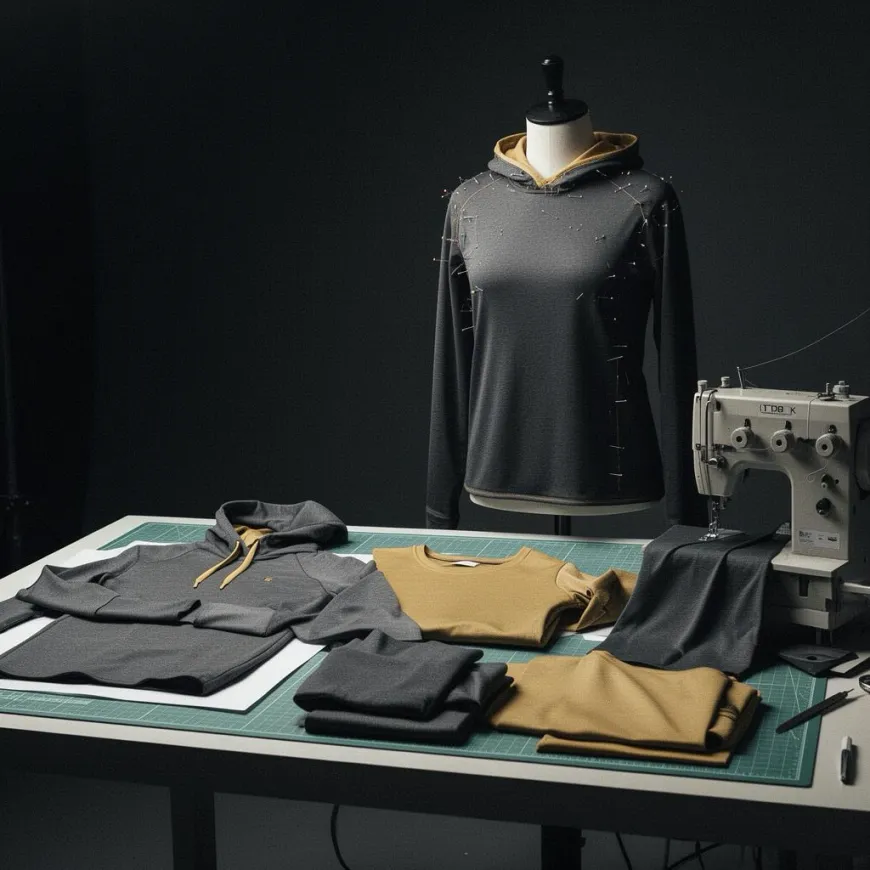
The full garment sample development process begins once you share your tech pack with the factory. Typically, brands first request a prototype sample to test fit, silhouette, fabric hand feel and basic construction. After collecting feedback, the factory produces a fit sample, moving forward to pre-production sample approval for clothing. The pre-production sample (PP sample) acts as the golden reference. Every detail including fabric, Pantone shade, stitching, zipper size, label placement, elastic tension and wash effect must be finalized here. Unlike bulk goods, samples are mostly handmade by senior technicians. Fabric is cut in small pieces, machines are adjusted repeatedly, and revisions are normal. This explains why sample pieces cost far more per unit and have longer lead times.
Pre-production sample approval for clothing is the critical checkpoint before bulk production starts. Reputable export factories will not begin mass sewing without signed PP sample approval. Once approved, all specifications are locked: fabric lot, dye batch, stitch settings, thread type, trim suppliers and packing instructions. Any changes after PP approval become expensive. Switching fabric, adjusting fit, swapping trims or updating artwork mid-run will trigger production holds, material waste and rush fees. Many brands face shipment delays because they keep revising details after the sample stage closes.
Brands should carefully plan around the standard clothing sample to bulk production timeline. Sample development usually takes 2–4 weeks, depending on fabric availability and revision rounds. After PP approval, bulk lead time covers fabric production, dyeing, cutting, sewing, washing, inspection and packing. Most woven or knit custom apparel needs 4–8 weeks for bulk production. Specialty fabrics such as hemp denim, Ponte knit or GOTS-certified organic blends often extend the whole schedule. Sampling runs on a flexible small-batch workflow, while bulk production follows a fixed assembly line that cannot be paused and restarted easily.
Quality standards also differ between sampling and bulk runs. Sample technicians focus on perfecting details for your review. Bulk production relies on standardized workflows, operator training and scheduled AQL inspection to keep consistency across hundreds or thousands of units. Minor handmade variations acceptable on prototypes must be controlled in bulk so every garment matches the approved PP sample.
For brands cooperating with overseas clothing manufacturers, clear communication between sampling and bulk teams is essential. Send consolidated feedback each sample round and limit repeated revisions. Lock in all compliance requirements such as GOTS, OEKOTEX and PFAS-free standards during the garment sample development process. Control the pre-production sample approval for clothing strictly and follow the agreed clothing sample to bulk production timeline. Smooth handoff between clothing sampling and bulk production helps you deliver consistent finished goods to your customers.