

When you start custom sportswear manufacturing, fabric selection is the foundation that defines how your finished athletic apparel performs, feels and lasts. This is why thoughtful sportswear fabric selection should happen before pattern drafting, sampling or bulk production. Many new apparel brands focus only on colour and price, ignoring performance properties, and end up with garments that pill, lose stretch, trap sweat or fade after a few washes. Whether you are developing sports tops, training shorts, sports bras or leggings, picking the best fabric for custom sportswear directly shapes customer satisfaction and your brand reputation in the competitive Sports Wear and Activewear market.
The most widely requested category for athletic apparel is moisture-wicking fabric for athletic apparel. Unlike standard cotton, which absorbs sweat and stays heavy against the skin, moisture-wicking fabrics pull perspiration away from the body and spread it across the fabric surface for fast evaporation. This keeps athletes dry during running, HIIT, gym training and team sports. Polyester interlock, polyester-spandex jersey and recycled polyester are common moisture-wicking options for custom sportswear. For custom sportswear manufacturing, we often recommend moisture-wicking fabric blends for running tees, basketball jerseys and workout tank tops. It is important to test the wicking rate, colour fastness and shrinkage rate during sampling, because low-grade moisture-wicking treatments can wash off after repeated laundering. If you target premium fitness customers, you can also select bluesign® or OEKO-TEX certified moisture-wicking fabric for athletic apparel, to add safe, eco-friendly selling points to your activewear line.
Next, stretch fabric options for sportswear production are non-negotiable for nearly all performance sportswear. Most activewear needs 4-way stretch to support a full range of motion: squatting, lunging, stretching, twisting and jumping. 2-way stretch fabrics only stretch horizontally and are usually limited to loose-fit casual sports tops, while 4-way stretch blends of polyester and spandex (elastane) are the go-to choice for leggings, compression shorts, sports bras and fitted athletic tops. The spandex percentage controls compression level: 10%–15% spandex creates firm compression for recovery wear, while 5%–8% spandex delivers soft, everyday stretch for yoga and low-impact activewear. During sportswear fabric selection, you must confirm stretch recovery performance. Poor stretch recovery means garments will sag at the waistband, knees or bust after regular use, which is one of the top complaints from sportswear buyers. Our factory runs stretch recovery tests on all stretch fabric options for sportswear production before cutting bulk orders, to guarantee consistent fit.
Beyond moisture management and stretch, there are specialized fabric choices for niche product lines. Brushed back fleece is popular for warm-up tracksuits and winter sports wear, balancing softness and light insulation. Matte nylon-spandex fabric is widely used for premium yoga activewear because it has a smooth, luxe hand feel with low sheen. Recycled fabrics made from plastic bottles are a strong choice for sustainable brand positioning, and GRS certification can be arranged for your custom sportswear manufacturing. Mesh fabrics are essential for high-ventilation panels on sports jerseys, running jackets and sports bra side panels, to boost airflow in high-sweat zones. Water-repellent lightweight fabrics work for windproof training outer layers, while anti-odour treated fabrics are a premium upgrade for long-wear athletic apparel.
When you work with a manufacturer for your sportswear fabric selection, you should align fabric choice with your end customer’s use case. A fabric perfect for low-impact yoga will not suit a high-intensity cross-training garment, and fabric for competitive team uniforms has different durability requirements than leisure activewear. Also, consider practical production factors: fabric minimums, lead time for custom dyed colours, sublimation compatibility and print adhesion. Some fabrics cannot hold screen prints or heat transfers well, while certain polyester blends are ideal for all-over sublimation prints, a popular technique for custom team sportswear.
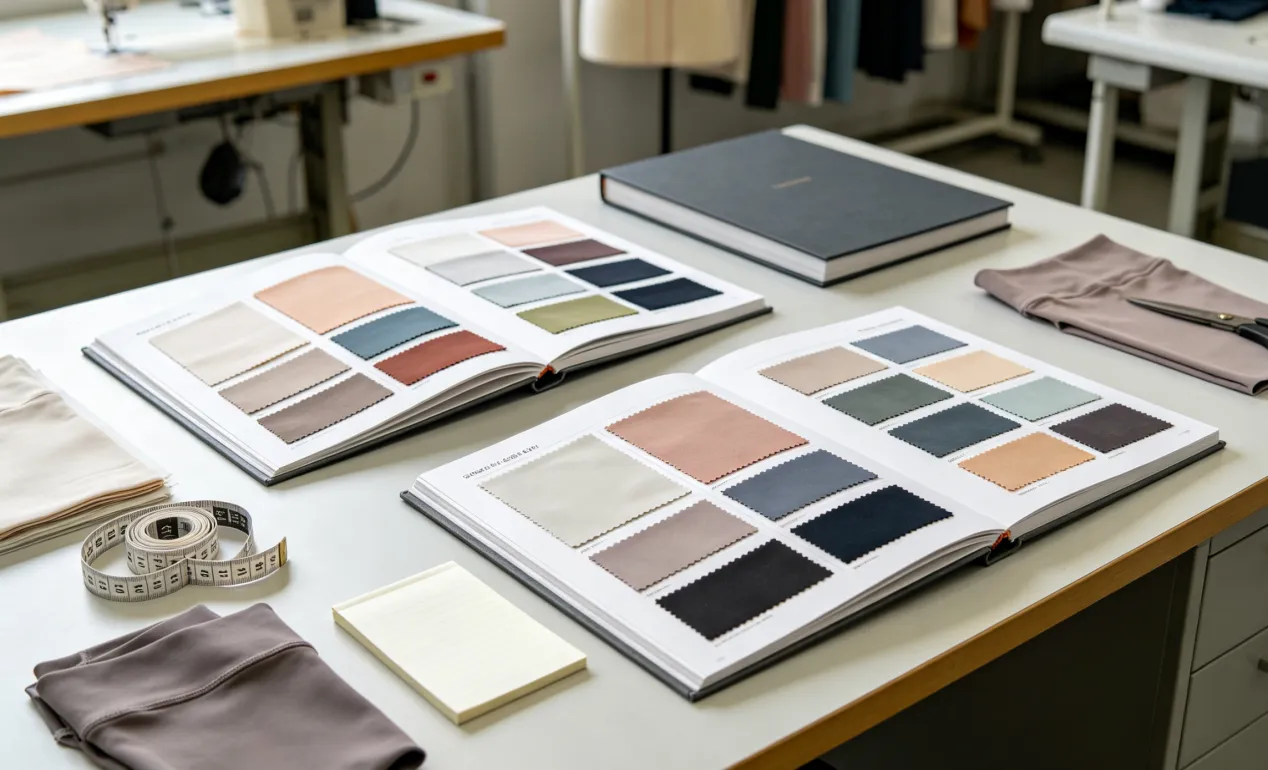
Cost is another key factor in sportswear fabric selection. The best fabric for custom sportswear is not always the most expensive one. It is the fabric that matches your performance requirements, budget and target price point. For wholesale sportswear lines, standard moisture-wicking polyester blends offer reliable performance at a reasonable cost. For premium private label activewear, upgraded nylon-spandex, recycled yarns and anti-odour functional finishes justify higher retail pricing. Our factory keeps stock swatches of all common stretch fabric options for sportswear production and moisture-wicking fabric for athletic apparel, so brand owners can touch, test and compare samples before locking in materials.
Quality validation is a critical step you cannot skip in custom sportswear manufacturing. Even if a fabric sample looks great, you need to test wash stability, pilling resistance, UV resistance and rubbing fastness. Poor fabric testing will lead to large-scale returns once your sportswear reaches customers. We always send finished test samples to third-party labs when brands require formal performance reports, especially for export orders to North America and Europe.
To sum up, effective sportswear fabric selection balances performance, comfort, sustainability and production feasibility. Start by defining your product function, then choose between moisture-wicking fabric for athletic apparel, different stretch fabric options for sportswear production, and specialized functional fabrics. Matching the right best fabric for custom sportswear to your product line is the first major step toward durable, high-performing Sports Wear and Activewear that your customers will come back to buy again.