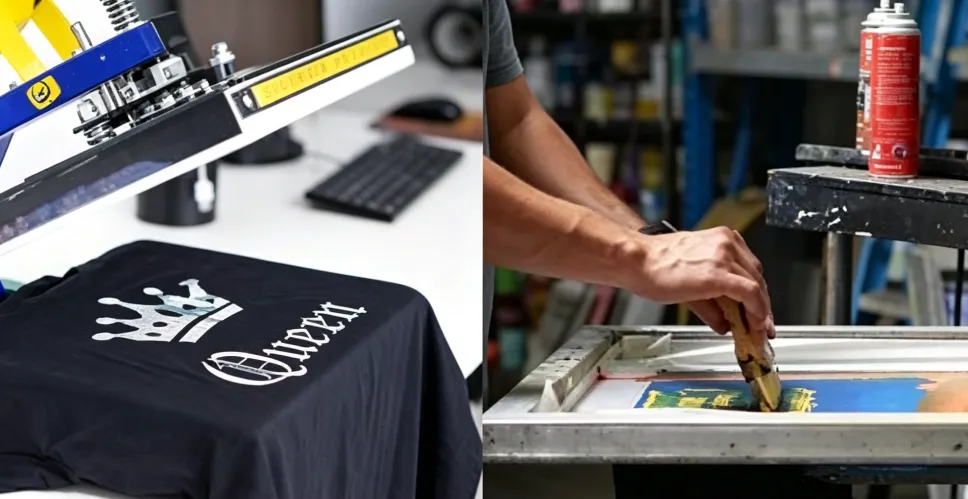


When designing custom sportswear for teams, gym brands, and athletic apparel lines, picking the right sportswear printing methods directly impacts the final look, comfort, durability, and cost of your finished garments. Two of the most popular decoration choices today are sublimation printing and screen printing. Many buyers struggle to decide between sublimation vs screen printing for sportswear because each technique has distinct strengths, limitations, and ideal use cases. If you are developing polyester activewear, custom team jerseys, running singlets, gym tops, or training shorts, understanding these custom sportswear logo printing options will help you collaborate effectively with your sportswear supplier and make decisions aligned with your design goals, fabric selection, budget, and performance requirements.
To start, let us define each of these widely used sportswear printing methods. Sublimation is a digital printing process designed primarily for polyester and polyester-blend fabrics. Special sublimation inks are printed onto transfer paper first, then heat and pressure turn the solid ink into gas, which bonds permanently with the polymer fibers of the fabric. The ink becomes part of the textile itself instead of sitting on top of the material surface. Screen printing, by contrast, applies plastisol or water-based ink layers directly onto the fabric through fine mesh screens. Each individual color in your artwork requires a separate screen, and the ink cures on the garment surface to form the printed graphic. This foundational difference explains nearly all the performance gaps when comparing sublimation vs screen printing for sportswear.
Sublimation is widely regarded as the best printing method for polyester activewear, especially for full-coverage all-over prints, gradient graphics, photographic designs, and multi-color team jerseys. Because the ink dyes the fabric fibers rather than creating a raised layer, sublimated sportswear stays lightweight, breathable, and stretchy. Athletes will not feel heavy, stiff ink patches across their backs or chests during runs, matches, or gym workouts. The print will not crack, peel, or lift as the fabric stretches, and it maintains excellent color fastness after repeated washing. This makes sublimation a top pick for custom team uniforms, cycling kits, competitive swimwear liners, and performance activewear that needs vibrant, complex designs. One major limitation of sublimation, however, is its fabric restriction. It works poorly on natural fibers such as cotton; it only achieves bright, saturated results on high-polyester content fabrics. Dark-colored polyester also limits sublimation output, since the ink is translucent and cannot cover dark base fabric. Sublimation also has higher upfront digital setup costs for low-quantity orders compared to screen printing.
Screen printing remains one of the most economical custom sportswear logo printing options for simple, limited-color graphics, solid logos, and smaller print placements. It works well on cotton, cotton blends, polyester, and tri-blend fabrics, giving it a broader fabric compatibility range than sublimation. For orders with hundreds or thousands of identical garments featuring a one or two-color brand mark, screen printing delivers a very low per-unit cost. Water-based screen ink offers a soft hand feel, while plastisol ink creates bold, opaque coverage that stands out clearly even on dark fabric. This makes screen printing ideal for casual sports tees, club hoodies, warm-up jackets, and basic gym apparel with simple branding. The downsides become obvious with complex artwork. Every new color adds a screen charge, so detailed multi-color designs or gradient prints become expensive quickly. Thick ink layers can block airflow and restrict stretch, and repeated stretching and heavy washing may cause screen prints to crack over time. When comparing sublimation vs screen printing for sportswear, screen printing is rarely the first choice for tight-fitting performance polyester activewear where unrestricted stretch and zero surface texture are priorities.
To select the best printing method for polyester activewear, you need to match the printing technique to your product purpose. Full sublimation is perfect for race jerseys, volleyball uniforms, custom soccer kits, and all-over printed activewear with photographic graphics. Screen printing works better for basic logo placement on cotton sports sweats, fan merchandise, and bulk casual sportswear with simple branding. Many sportswear brands and clubs combine both sportswear printing methods in one collection: using sublimation for on-field player jerseys and screen printing for sideline hoodies and supporter tees. This hybrid approach balances visual impact, comfort, and overall production budget.
It is also critical to work with a supplier who understands the technical rules for each custom sportswear logo printing option. Incorrect heat press temperature, low-quality sublimation ink, or improper screen ink curing will ruin finished apparel. At HS COUTURES, our production team tests every printing process during the pre-production sample stage. We review your artwork, fabric composition, end-use scenario, and order volume to recommend whether sublimation, screen printing, or a mix of the two will deliver the best outcome. We run wash tests and stretch tests on printed samples to confirm the graphics hold up under athletic use before bulk manufacturing starts.
Budget and order volume are final considerations in sublimation vs screen printing for sportswear. Sublimation has higher digital setup costs, so it becomes more cost-effective for medium and large runs with full-print designs. Screen printing has low per-unit pricing for large runs with few colors, but the cost rises fast with added colors. Small-batch orders with intricate artwork often lean toward sublimation, while simple logo bulk orders frequently favor screen printing.
No single sportswear printing method is universally superior. The best printing method for polyester activewear depends on your design, fabric, budget, and performance needs. By learning the advantages and drawbacks of sublimation and screen printing, you can make informed decisions for your custom sportswear line and ensure your finished apparel looks great and performs for athletes. HS COUTURES supports both sublimation and screen printing services as part of our full sportswear OEM and ODM supply chain, helping brands and clubs implement the right custom sportswear logo printing options for every project.