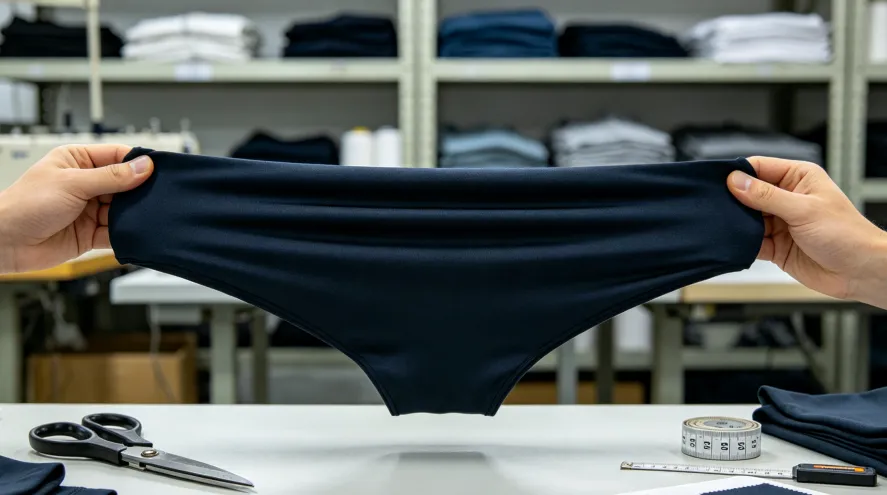


Activewear lives under demanding conditions. Leggings, sports bras, training shorts, compression tops, and gym sets are repeatedly stretched, twisted, sweated into, washed, and worn through high-intensity movement. For activewear brands, designers, and suppliers, robust activewear fabric performance testing is not an optional extra step — it is a foundational quality control process that separates long-lasting, high-performing apparel from products that lose shape, pill, tear, or turn translucent after a few wears. Among the most essential checks are the stretch recovery test for sportswear fabric and general durability testing for activewear manufacturers. Understanding standard fabric testing requirements for leggings and gym wear will help you set clear quality benchmarks for your supply chain, reduce customer complaints, and build a reputation for reliable, high-performance activewear.
Stretch recovery is the characteristic that defines functional activewear fabric. When an athlete lunges, squats, sprints, or stretches, the fabric must expand freely without restricting movement, then snap back to its original dimensions instead of staying stretched out and baggy. A poor stretch recovery fabric will lead to sagging waistbands, loose knees on leggings, stretched-out necklines, and compression loss in sports bras. This is why the stretch recovery test for sportswear fabric sits at the center of activewear fabric performance testing. The standard test procedure cuts fabric specimens in both the warp and weft directions, clamps them to a tensile testing machine, stretches the sample to a specified percentage of its original length (often 50% or 100% elongation, depending on the garment design), holds the tension for a set time, then releases the force. Testers measure how much the fabric returns to its starting size. The percentage of recovery is recorded. Premium leggings and compression fabrics typically require a stretch recovery rating above 90%. If recovery falls too low, the fabric will permanently deform with regular use. This test must run on finished dyed and finished fabric, not raw greige goods, because dyeing, heat setting, and finishing treatments can drastically change elastic fiber performance.
Beyond stretch recovery, durability testing for activewear manufacturers covers a suite of interrelated tests tailored to fabric testing requirements for leggings and gym wear. Pilling resistance testing is essential, especially for brushed, soft-hand leggings fabrics. Activewear constantly rubs against skin, gym equipment, bags, and other clothing during workouts. A fabric with low pilling resistance will develop fuzzy balls on the surface quickly, making the garment look worn and cheap. Martindale abrasion testing is commonly used to simulate repeated friction. Fabric samples are rubbed against a standard abrasive medium for a fixed cycle count, then inspectors check for pilling, surface damage, or thinning. Leggings, which receive heavy friction at the inner thigh area, need a high abrasion rating to pass quality standards.
Seam durability is another often-overlooked part of activewear fabric performance testing. Even if the base fabric has excellent stretch recovery, weak stitching will fail when stretched. Burst strength and seam slip testing evaluate whether seams can withstand repeated pulling without breaking or allowing yarns to slide open. This is critical for high-stress zones: leggings crotch seams, sports bra underband seams, and side seams on compression shorts. Durability testing for activewear manufacturers also includes wash durability cycles. Testers subject finished cut pieces or sewn sample garments to multiple home laundry cycles, following labeled washing temperatures and drying settings. After repeated washing, inspectors check for shrinkage, color bleeding, fading, loss of stretch recovery, seam twisting, and fabric softener-related performance degradation. Many activewear fabrics lose elasticity over improper washing, so this test simulates real consumer behavior.
Additional fabric testing requirements for leggings and gym wear include color fastness to perspiration and color fastness to rubbing. Athletes sweat heavily, and acidic or alkaline sweat can strip dye from low-quality fabric, causing color transfer onto skin or other garments. Light fastness testing is needed for outdoor activewear that sits in sunlight for long periods. Transparency testing is specifically vital for leggings: samples are stretched under standardized lighting to check if the fabric becomes see-through at full elongation, a common customer complaint for budget gym leggings. Moisture wicking and moisture management testing can also be added if your product is marketed as performance sportswear, measuring how quickly sweat spreads and evaporates from the fabric surface.
A common mistake for new activewear brands is requesting lab testing only after bulk production starts. Responsible activewear fabric performance testing should begin at the fabric swatch stage. Before cutting any bulk goods, you should approve test reports from your supplier and validate results with independent third-party labs if needed. HS COUTURES integrates the stretch recovery test for sportswear fabric and full durability testing for activewear manufacturers into our product development workflow. When we develop leggings, gym sets, and performance sportswear for our brand clients, we first source eligible performance fabrics, run the full testing matrix during sampling, share test data with buyers, and adjust fabric finishing or elastic blend ratios if results fail to meet the client’s specs. We treat fabric testing requirements for leggings and gym wear as non-negotiable quality gates before bulk production approval.
Clear test standards also make communication with your factory much easier. You can define your acceptable recovery percentage, abrasion cycle minimums, pilling grades, shrinkage limits, and wash cycle requirements in your tech pack. This removes ambiguity and reduces disputes after goods are finished. Different markets may also require extra compliance testing alongside performance checks, such as restricted substance testing for REACH or CPSIA regulations.
Ultimately, activewear buyers purchase garments that keep up with movement and retain their fit and appearance after months of training. Rigorous activewear fabric performance testing, especially the stretch recovery test for sportswear fabric and abrasion durability checks, protects your brand reputation. When you partner with an activewear supply chain provider that understands fabric testing requirements for leggings and gym wear, you can launch products that meet athlete expectations and reduce costly bulk rejections. HS COUTURES supports full performance fabric testing coordination alongside our OEM and ODM sportswear development, helping brands build durable, high-quality activewear lines for global markets.