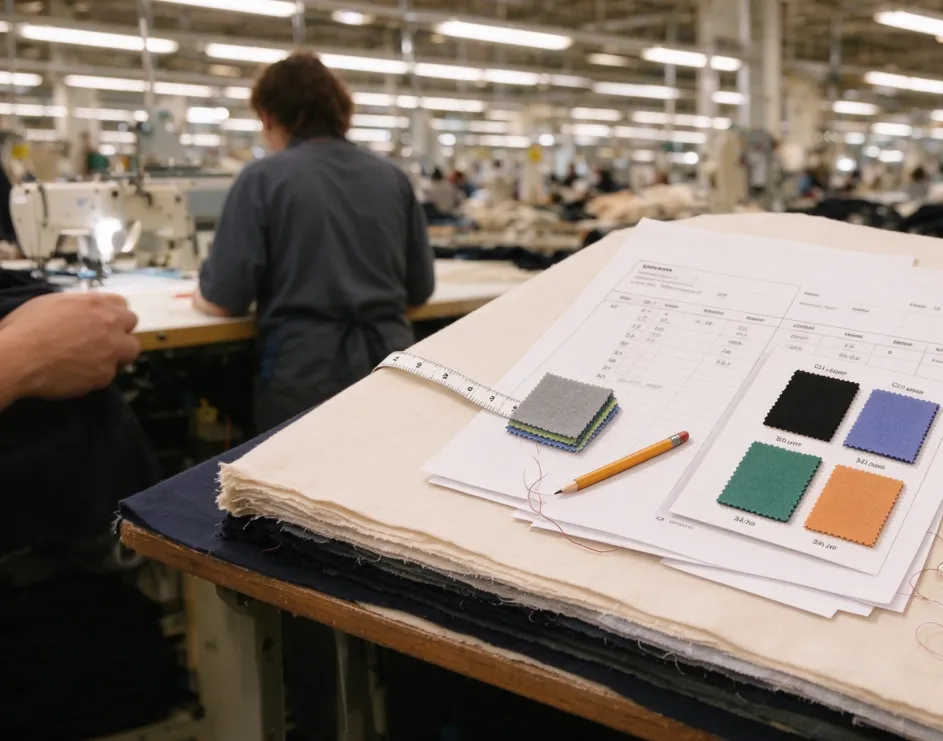


When running a clothing brand, mastering clothing production cost reduction is one of the most practical strategies to boost profit margins, stay competitive in crowded markets, and deliver fair-priced, high-quality apparel to your customers. Many new brand owners mistakenly believe cutting costs always means downgrading materials, sloppy stitching, or skipping quality checks, but this is far from the truth. With thoughtful planning, optimized workflows, and smart supplier management, you can successfully reduce apparel manufacturing costs while keeping your garment quality consistent, protecting your brand reputation and loyal customer base. Whether you are a small emerging label placing small-batch orders or an established brand scaling bulk orders, these actionable tactics will guide you toward lower garment production costs without quality loss.
The first and most impactful step is cost-effective fabric sourcing for clothing brands, which usually accounts for 50%–70% of the total garment production expense. Fabric selection is not only about picking the cheapest roll available; it is about matching the right fabric weight, composition, and certification to your product’s actual needs. Many brands overspend by over-specifying fabrics: for example, choosing premium heavy-weight organic jersey for casual loungewear that only requires lightweight standard jersey, or ordering specialty imported fabrics when domestic alternatives with the same performance and certification exist. You can work closely with your fabric supplier to explore stock fabric options. Stock fabrics are pre-woven and pre-dyed, eliminating the minimum order requirements and long lead times of custom dyeing. They often come at a 15%–30% discount compared to newly produced custom fabrics.
At the same time, consolidate your fabric colorways and limit custom color development. Every new custom color requires separate dye setup, lab dip testing, and extra waste, which adds hidden charges. If your collection allows, group styles to share the same fabric colors and base materials. This raises your order volume per fabric roll, helping you negotiate better unit pricing from mills. Always test fabric samples for shrinkage, color fastness, and hand feel before bulk confirmation, so cost savings on fabric do not turn into costly quality issues and rework later.
Next, optimize your pattern design and construction to cut waste and labor time, another key method for clothing production cost reduction. Excess fabric waste is a silent expense in apparel production. Experienced pattern makers can adjust nesting layouts to improve fabric utilization rates, cutting down leftover scrap. Simplify complicated construction details that add labor cost without bringing meaningful value to end consumers. Unnecessary decorative stitching, multi-layer linings, overly complex pocket structures, or custom trims that are hard to source all drive up sewing hours. This does not mean removing all unique design features; instead, separate “must-have” brand signatures from nice-to-have decorative details. For instance, you can keep your signature embroidered logo, but replace a custom complex woven label with a high-quality printed label of the same look if the woven version carries a high MOQ and premium cost.
Order planning and MOQ management also play a critical role if you want to reduce apparel manufacturing costs. Frequent small-batch split orders create repeated setup fees for cutting, sewing, and printing. If your sales forecast allows, combine similar styles or colorways into one bulk production run. Communicate openly with your garment factory about your sales cycle. Reliable manufacturers often offer tiered pricing: the larger the consolidated order, the lower the unit price. However, balance bulk ordering with inventory risk. Over-ordering to chase a lower unit price can lead to dead stock, which erases all your saved production costs.
Trim and accessory sourcing is another area full of opportunities for lower garment production costs without quality loss. Buttons, zippers, elastic, thread, and hang tags are small parts, but their combined cost can add up quickly. Instead of sourcing each trim from separate vendors, work with your apparel manufacturer that handles one-stop trim procurement. Factories maintain long-term partnerships with trim suppliers and can get wholesale rates you cannot access as a single small brand. For custom trims like branded elastic or printed tapes, evaluate if you can standardize the trim design across multiple styles to hit the MOQ once and reuse it, instead of developing brand-new custom trims for every single style. When switching trim suppliers, always request pre-production samples and perform quality testing to confirm durability, color matching, and safety standards.
Streamlining your quality control process helps avoid expensive rework, which is a hidden cost killer for clothing brands. Many brands only arrange one final inspection after bulk production is finished. If defects are found at this stage, reworking or remaking garments will cost extra labor and delay delivery. A better approach is phased quality checks: inspection after fabric arrival, first-piece check once sewing starts, and random inline inspection during bulk production. Catching errors early prevents mass defective goods. This structured QC workflow supports your goal of cost-effective fabric sourcing for clothing brands and overall cost control, as you avoid wasting materials and labor on flawed garments.
Clear communication with your production partner is also essential. Ambiguous tech packs, frequent design revisions, and last-minute changes are among the top causes of extra charges. Build a complete, detailed tech pack including pattern specs, color standards, stitch requirements, and trim references before production starts. Minimize changes once bulk production begins. Every revision requires the factory to pause workflows, adjust patterns, and re-calibrate machines, all of which add extra fees.
To sum up, successful clothing production cost reduction is a systematic, balanced process rather than a single quick fix. It centers on smart fabric planning, design optimization, consolidated ordering, efficient trim sourcing, and proactive quality control. By focusing on these areas, you can confidently reduce apparel manufacturing costs, explore strategies for cost-effective fabric sourcing for clothing brands, and achieve lower garment production costs without quality loss. When you prioritize value over the lowest raw material price, you build a sustainable supply chain that protects your product quality, preserves your brand image, and supports steady growth for your clothing business.