

If you are launching a new clothing brand, understanding the custom clothing manufacturing process is one of the most important things you can do to avoid delays, budget overruns and miscommunication with your factory. Many first-time designers assume making custom clothes is simply sending a sketch and waiting for finished garments, but professional apparel production follows a structured workflow that covers design, sampling, revision, approval, bulk production and final shipment. Learning the full workflow helps you set realistic timelines, ask the right questions to your supplier and keep your brand project on track. Knowing the steps in custom garment manufacturing also makes it easier for you to compare different factories and pick a partner that matches your brand’s needs, whether you are making small-batch basics or complex functional apparel.
The first stage of clothing production process from design to delivery is concept and design development. This is where you turn your creative idea into clear visuals. You can start with hand-drawn sketches, mood boards, reference photos and notes on fit, fabric type, colors and target customer. At this point, you do not need to have every tiny detail locked in, but you should have a clear vision of the garment’s purpose. For example, are you making casual hemp tees, structured denim bottoms or performance activewear? Your design direction will decide which fabric mills, trims and construction methods your manufacturer will use. This phase often includes initial fabric sourcing, where your supplier shares available stock fabrics, color cards and certification options such as GOTS or OEKOTEX, which is very important for sustainable-focused brands.
Next comes the tech pack creation, which acts as the official instruction manual for your factory. A complete tech pack includes flat sketches, measurement charts, fabric specifications, trim details, labeling requirements, stitching notes and color references. Without a solid tech pack, misinterpretations are extremely common. Once the tech pack is ready, the factory moves to sample making. The first sample is usually called a prototype or fit sample. It is built to test the pattern, fit, fabric feel and construction. Most brands go through 2 to 3 sample rounds: fit sample, revised sample, and sales sample or photo sample. Each revision fixes issues like uncomfortable sizing, wrong fabric drape or incorrect logo placement. You must sign off on the final approved sample before bulk production can start. This approved sample becomes the golden sample that all mass-produced garments must match.
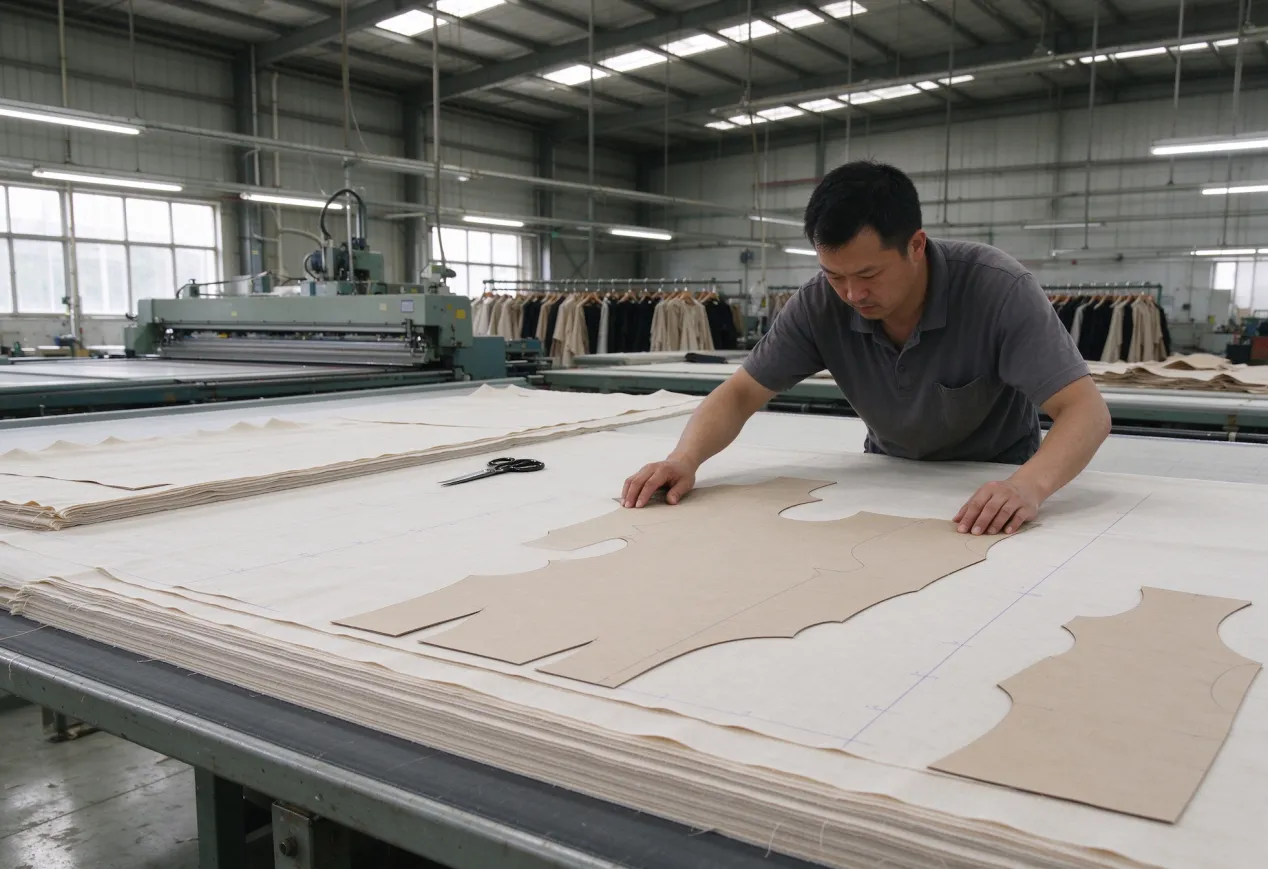
After sample approval, the factory prepares for bulk production. This step includes ordering all bulk materials: fabrics, threads, buttons, zippers, hangtags and care labels. If you are using certified fabrics, this is the time to collect and verify valid certificates and check expiry dates. When all materials arrive and pass inspection, cutting begins. Cutters spread fabric layers and cut every pattern piece according to your pattern file. Then sewing teams assemble the garments step by step, following the construction notes in your tech pack. Quality checks happen at multiple stages: in-line inspection during sewing, mid-bulk check, and final inspection once sewing is finished. Items with flaws will be repaired or rejected.
When garments pass quality control, they move to finishing. Finishing includes washing, pressing, hemming, adding tags, packaging and folding, based on your requirements. Once packaged, the order is ready for shipping. Your manufacturer will arrange delivery to your warehouse or fulfillment center. This end-to-end workflow is what custom apparel development and production is all about. It is not a fast process; for most small custom orders, the full timeline from design to delivery can take 6–12 weeks, depending on fabric availability, sampling rounds and factory lead times.
Many new brands underestimate how long this process takes or skip sample revisions to save time. This almost always leads to expensive mistakes in bulk. Working with a transparent manufacturer who walks you through every stage will reduce stress and help you build consistent, high-quality products for your customers. Whether you are ordering 50 pieces or 5000, respecting the steps in custom garment manufacturing lets you build a reliable supply chain for your growing clothing brand.