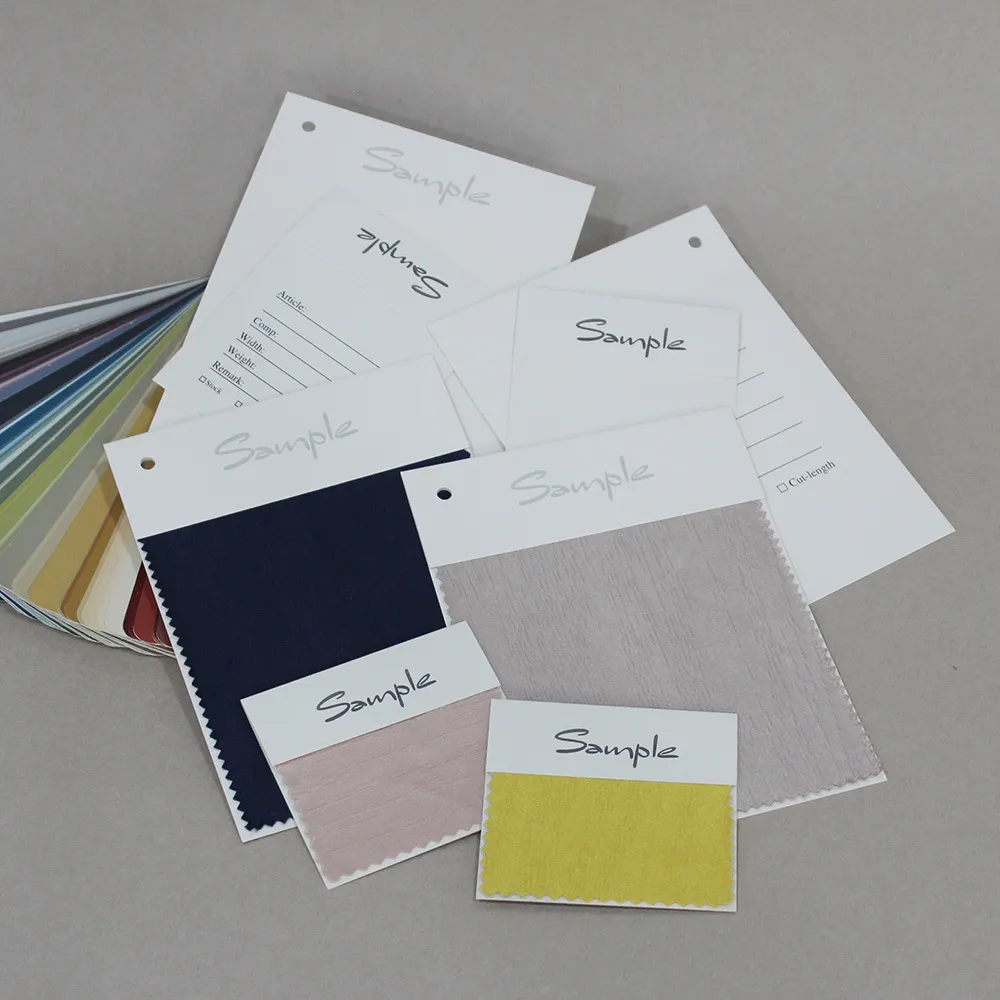


Strike-off samples continue to serve as the critical checkpoint before approving bulk print production, acting as the bridge between digital artwork and physical fabric. Print houses and apparel brands have reported a sharp rise in requests to adjust colour contrast, rework Pantone shades and modify repeat sizing during the current sampling season. As designers experiment more with soft washed knits, they have discovered that colour behaviour on textured fabric often differs significantly from what appears on screen or in digital renderings.
Light colour pairings such as yellow and cream are popular choices for spring and summer casual collections, yet these pale combinations can easily lose definition once printed onto soft, textured washed fabric. When two light tones sit close together, low contrast makes the pattern look flat and washed out. Another common issue is unexpected undertones; neutral cream shades can develop an unwanted pinkish cast once printed on certain fabrics. It is notoriously difficult to capture these subtle tonal shifts in digital photos. For this reason, physical fabric cuttings remain essential for accurate Pantone matching, and colour decisions cannot rely solely on images shared by email.
Throughout the print development process, strike-offs help catch contrast issues, undertone problems and repeat scale errors early. Fixing revisions at the strike-off stage saves substantial time and cost compared with making changes once bulk printing has started. For this reason, brands are investing more time in reviewing strike-offs carefully and sharing detailed colour feedback before moving forward.