


Launching a 2026 U.S. fashion startup faces fierce competition yet huge market potential. The U.S. apparel market sees steady low-single-digit growth despite inflation and tight consumer budgets. New brands succeed via clear positioning, quality products and loyal community building, rather than blind price competition.
Building a profitable U.S. fashion brand requires updated, market-aligned strategies. Traditional retail-focused development methods no longer work for emerging startups. This article shares concise, actionable tactics to help new brands stand out and scale steadily.
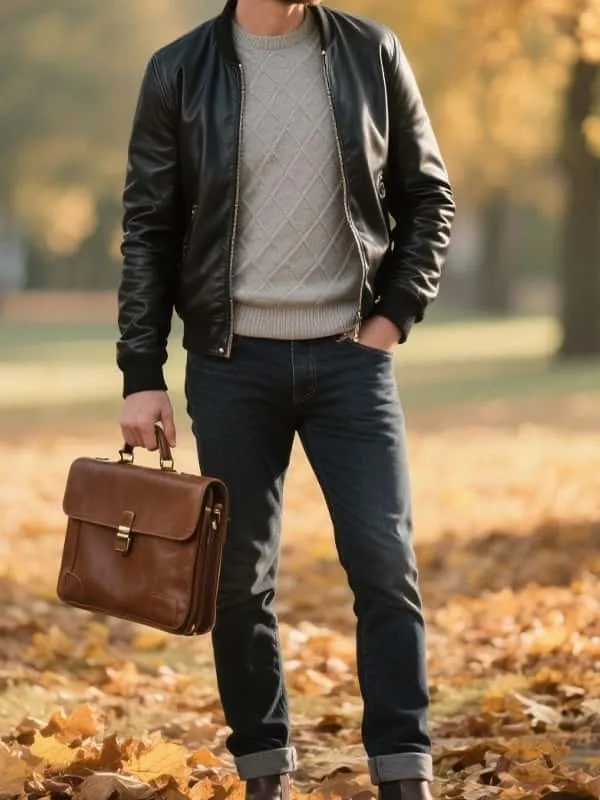
1. Nail a Specific, Market-Proven Niche (Avoid Generic “Everyday Fashion”)
Generic brand positioning is the leading cause of U.S. fashion startup failure. Undifferentiated mid-market apparel gains less than 3% annual growth in 2026, far behind niche segments. Successful startups target specific audiences and scenarios instead of catering to broad crowds.
Multi-scenario activewear tops U.S. fashion growth, with the U.S. holding 34% of global market share. Men’s functional apparel, sustainable basics and inclusive sizing are high-potential low-competition niches. These segmented tracks deliver higher consumer retention and stable sales growth.
Niche-focused brands like Vuori and Nuuds have achieved outstanding U.S. market results. Vuori dominates premium casual activewear with precise lifestyle positioning and stable profits. Nuuds wins middle-market shoppers with cost-effective quality basics and an 80% repeat customer rate.
New founders need to lock one core audience and clear brand value proposition. Focus on urban professionals, fitness enthusiasts or inclusive lifestyle consumer groups. Design targeted product lines that fully fit their daily dressing demands.
2. Build Products for Real U.S. Lifestyle Scenarios (Not Just Runway Trends)
Modern U.S. consumers prioritize practical daily wear over fleeting runway trends. They favor versatile apparel that adapts to work, fitness, travel and casual scenarios. Comfort and durability have become core shopping benchmarks in 2026.
Disposable single-scene trend pieces are gradually losing U.S. market favor. Startup winners develop multi-use core products that balance aesthetics and practicality. This strategy cuts inventory risks and boosts long-term repurchase rates effectively.
Gen Z and millennials occupy 65% of U.S. apparel consumption market. Over 58% of young shoppers reject brands with false greenwashing and vague ethics. More than half of consumers accept 10–20% premiums for transparent, sustainable quality apparel.
Early-stage fashion brands should adopt a lean and low-risk launch strategy. Release 3 to 5 high-quality versatile signature pieces to build initial brand reputation. Expand product categories only based on authentic customer feedback and market data.
3. Master Social-First Brand Storytelling to Build Loyalty
Social media serves as the core growth engine for 2026 U.S. fashion startups. Polished traditional ads have far lower conversion than authentic organic content. American shoppers buy brand lifestyles and values rather than just clothing products.
TikTok and Instagram are the highest-ROI channels for new fashion brands. Over 60% of Gen Z’s apparel purchases are driven by social media short-form content. Brands like Popilush and Halara achieve rapid U.S. growth purely via organic social operations.
Maintain a friendly, humanized brand voice to resonate with U.S. consumers. Highlight your advantages against fast fashion’s poor quality and luxury’s overpricing. Keep consistent brand storytelling and value output across all platforms.
Strong community loyalty is startups’ biggest advantage over large mainstream brands. Interact actively with users and repost customer-generated content regularly. Sincere community operation turns one-time buyers into long-term brand advocates.
4. Adopt a Hybrid DTC + Wholesale Growth Strategy
Single DTC or wholesale channels can no longer support sustainable growth. Top U.S. fashion startups adopt a hybrid dual-channel development model. This solution balances profit margins, brand credibility and market coverage.
A Shopify DTC store acts as the fundamental foundation for brand operation. It helps brands control profit margins and own exclusive customer data. It also supports flexible product testing and private domain traffic accumulation.
Wholesale partnerships with Nordstrom and Dillard’s boost brand credibility effectively. These retailers cover shoppers aged 35+, who contribute 40% of U.S. apparel revenue. Brands like Lulus prove wholesale scaling complements DTC growth perfectly.
Startups should first verify product-market fit through DTC and social sales. Build stable sales records and positive user reviews in the early stage. Launch small-batch wholesale cooperation gradually to expand market safely.
5. Prioritize Customer Retention Over Vanity Growth
Chasing vanity traffic and one-time sales leads most fashion startups to failure. U.S. industry data shows 20% of repeat buyers generate over 60% of total profits. Long-term brand profitability relies entirely on high customer retention rates.
Excellent post-purchase experience is key to improving user loyalty. Free fast U.S. shipping and hassle-free local returns are basic consumer expectations. A seamless shopping experience easily converts casual buyers into loyal customers.
Simple personalized retention tactics deliver the best market results. Loyal buyer exclusive drops and targeted perks enhance user stickiness greatly. Startups win the market via warm personalized service that big brands cannot provide.
Final Thoughts: Start Small, Grow Authentically
Building a competitive U.S. fashion brand does not require abundant funding or resources. Success lies in precise niche positioning, quality lifestyle products and authentic social marketing. Hybrid channels and user-centric retention strategies guarantee steady growth.
Top fashion startups focus on solving real consumer pain points instead of chasing trends. Genuine audience connection and stable product quality build long-term brand value. Steady, authentic growth is the core of surviving the competitive U.S. market.
Practicing these strategies can lay a solid foundation for your fashion startup. However, independent brand launching and U.S. market scaling still faces multiple obstacles. This is where HSC provides professional empowerment for emerging fashion brand founders.
HSC owns in-depth U.S. fashion trend insights and mature one-stop brand solutions. We help startups avoid market trial-and-error costs and launch trending new products efficiently. Our customized services cover product development, localization and brand initial scaling.
If you want to skip complex startup procedures and avoid common U.S. market pitfalls, cooperate with us. Get in touch with HSC today to launch your new fashion products quickly and professionally. We will empower your brand to stand out and achieve sustainable growth in the U.S. market.