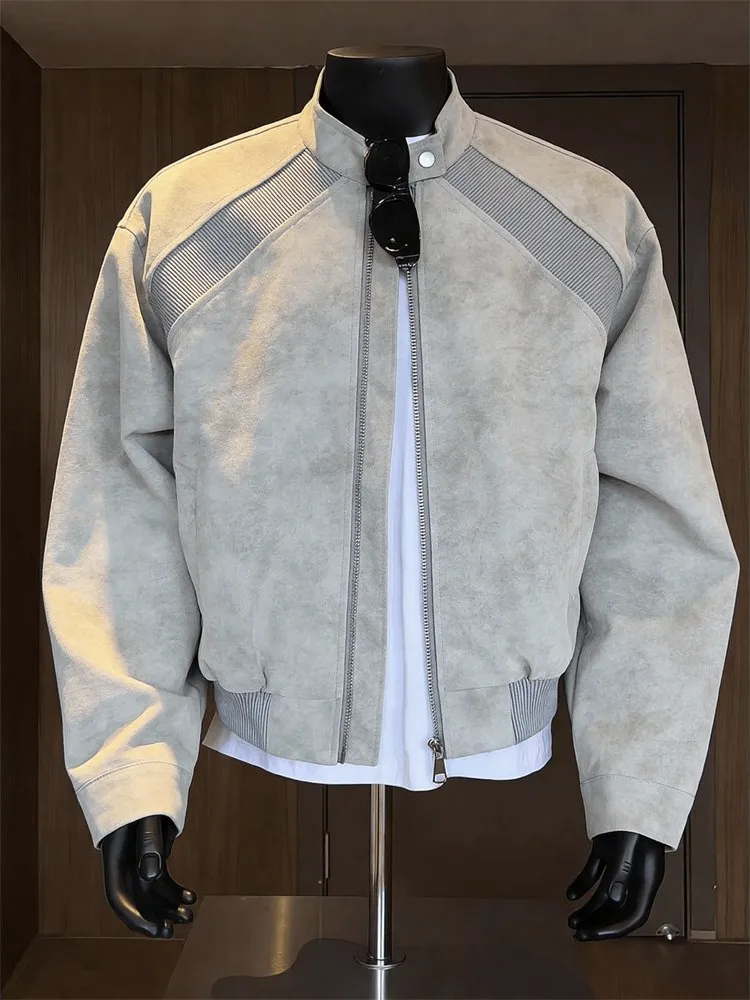


Fabric shrinkage control has risen to one of the top quality assurance priorities for apparel manufacturers this week, especially for woven outerwear and trans-seasonal layered pieces. Many brands reported bulk order complaints where garments distorted after washing, mainly caused by insufficient pre-shrinking treatment before cutting.
Wool gabardine, cotton canvas and bouclé fabrics all present different shrinkage risks. Wool fabrics may shrink unevenly under hot water, while heavy canvas tends to have lengthwise shrinkage. Buyers now require pre-shrink test reports before fabric approval, alongside lab dip colour fastness data.
Pattern makers must adjust pattern grading to compensate for residual shrinkage. Fit checks should include wash-test samples, not just raw fabric samples. Factories also need to communicate shrinkage limits clearly to clients at the strike-off sampling stage.
As customers pay more attention to wash durability, shrinkage testing is no longer an optional extra QA step. Manufacturers that can provide reliable shrinkage data will gain advantages in winning premium brand orders. Garment QA teams are recommended to upgrade their fabric testing process to reduce post-production returns.